Please Note - This website is under reconstruction
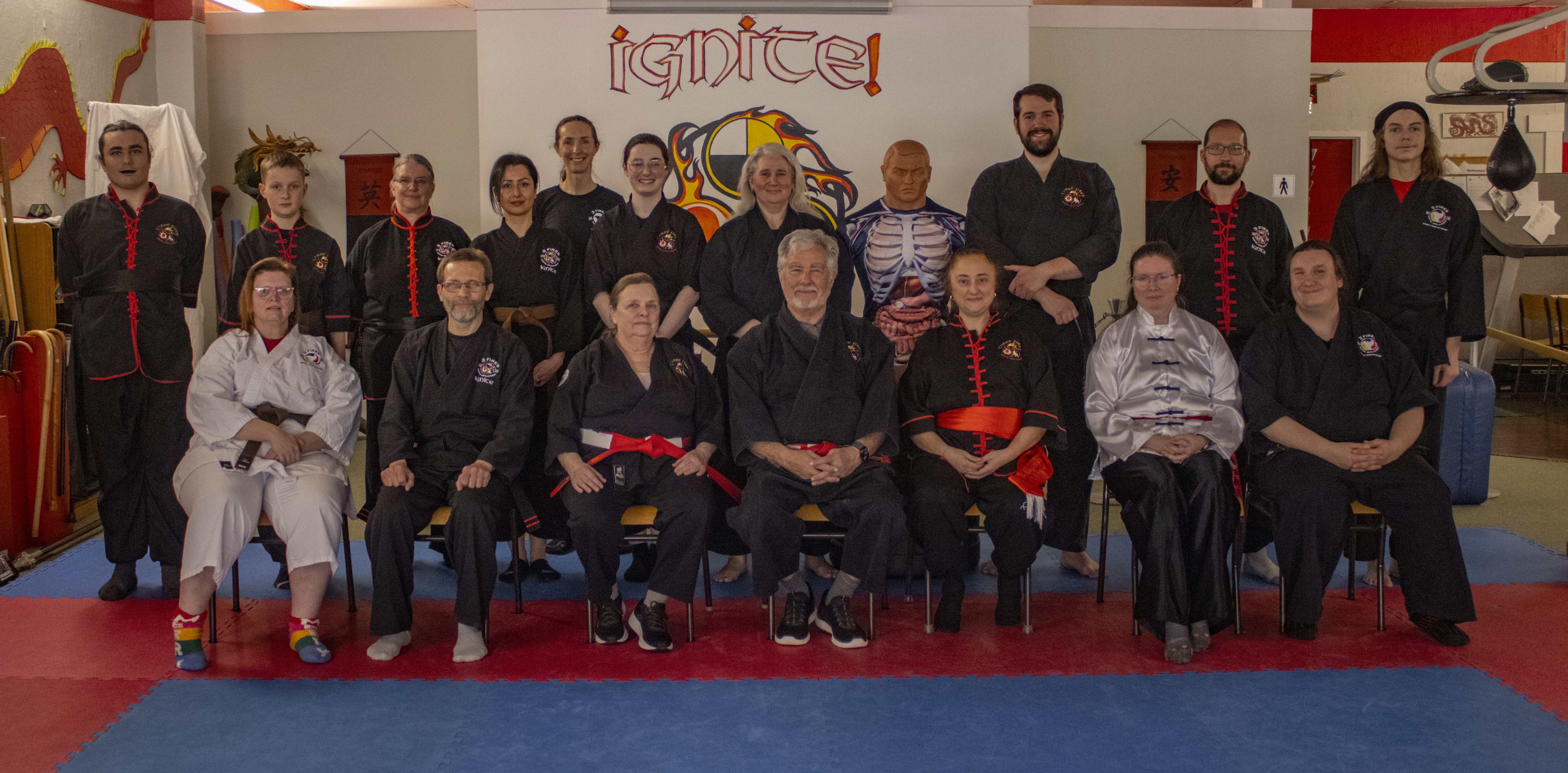
Instructor Rogues Gallery
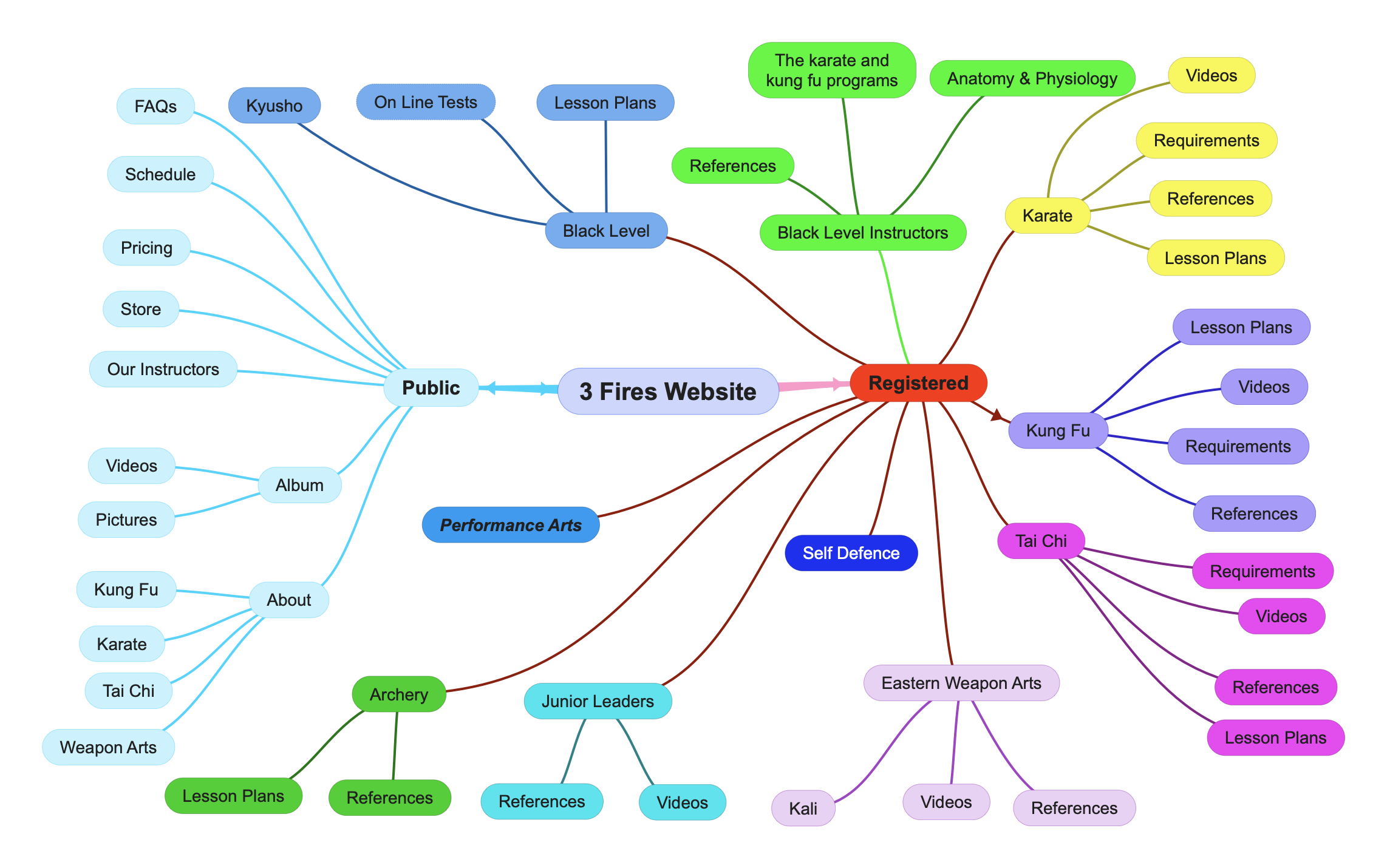
Website Layout
The following graphic shows how the website is organized. The content is extensive.
3 Fires Martial Arts Academy — Skills for Life. Knowledge to Help Others.
At 3 Fires Martial Arts Academy, physical training goes hand in hand with understanding, responsibility and service. Students learn how to strengthen their bodies, make thoughtful decisions under pressure, care for others and share what they know. Our approach connects martial arts practice with practical education students can carry into school, work, sport and everyday life.
| What we teach — Features | What students gain — Benefits | How it applies — Advantages |
|---|---|---|
| Physical fitness and training theory — Exercise supported by an understanding of its purpose and principles. | Strength, endurance, balance and coordination, along with the knowledge to approach training thoughtfully. | Students learn to prepare for activity, work towards realistic goals and understand why an exercise belongs in a training plan. |
| Self defence — Awareness, avoidance, de-escalation and physical responses. | Greater awareness, confidence and judgement when facing conflict. | Students practise setting boundaries, recognising trouble early and choosing responses that prioritise safety. |
| First aid and CPR training — Practical preparation for helping someone who is injured or experiencing a medical emergency. | Skills and confidence to take appropriate action and seek help. | Learning can be applied at home, at school, in the workplace or on the playing field when someone needs assistance. |
| Anatomy and physiology — Learning how the body is structured and how it functions during movement and exercise. | A clearer understanding of muscles, joints, breathing and the body's response to activity. | Students connect classroom science with physical experience and make more informed decisions about training. |
| Teaching theory and instructor development — How to explain, demonstrate, observe, give constructive feedback and adapt instruction. | Communication, leadership, patience and the ability to support another person's progress. | Students practise skills useful for helping a classmate, coaching a team or training a colleague at work. |
| Asian cultural traditions and etiquette — Selected customs associated with the arts we practise, including respectful greetings, bowing and care for the training space. | An appreciation of cultural context, consideration for others and shared responsibility. | Students practise entering unfamiliar settings respectfully, listening attentively and contributing to the spaces they share. |
Our advantage is the connection between learning, doing and helping. Students experience a skill, understand the reasoning behind it and learn how to use it responsibly. Receiving a correction becomes practice in accepting feedback. Helping a beginner becomes practice in leadership. Caring for a training partner becomes practice in earning another person's trust.
Train with purpose. Understand what you do. Use what you learn to help others.